
Psychiatry Witnesses

Case type

Personal Injury

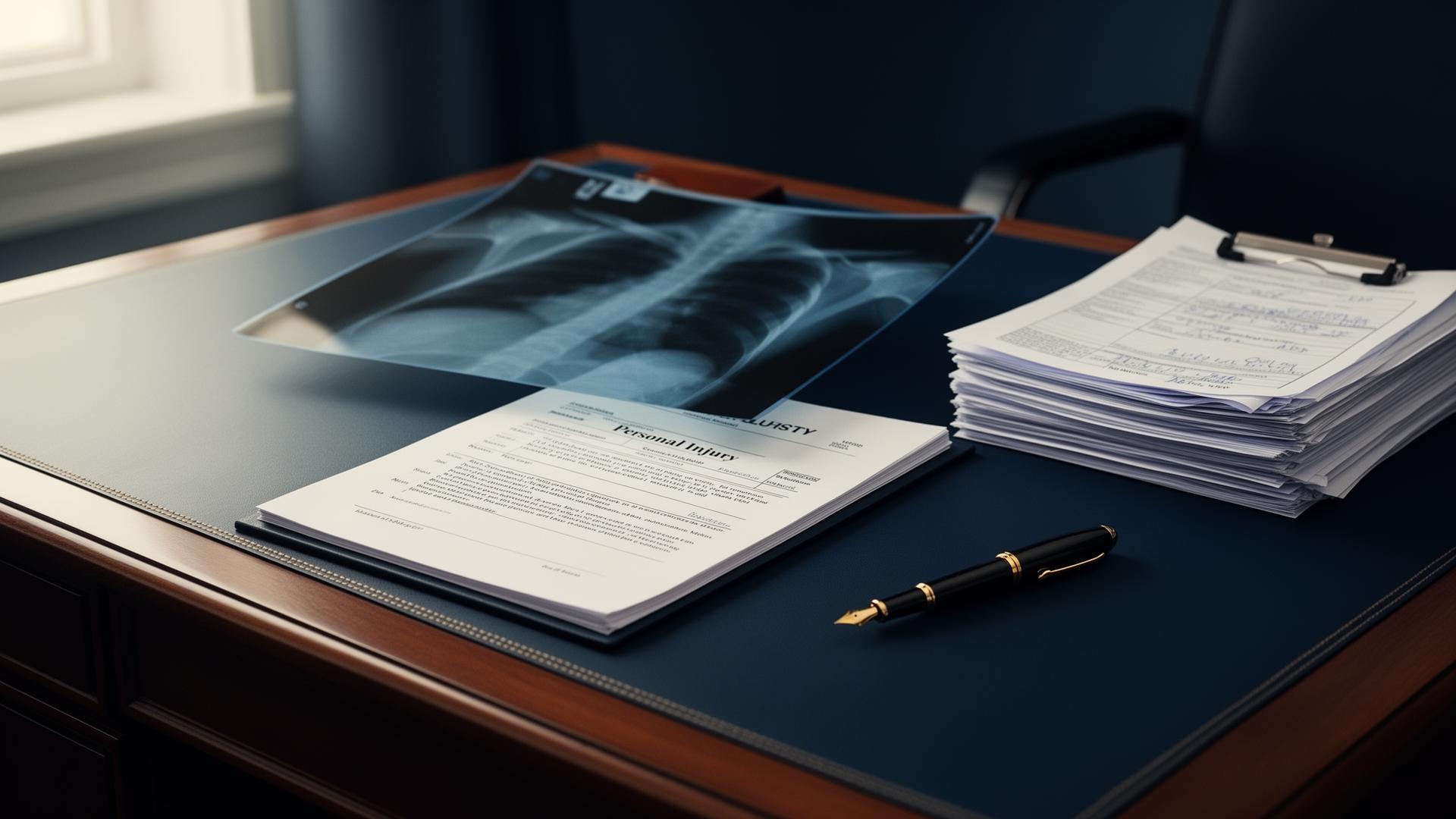
Personal injury claims are the most common reason solicitors instruct a psychiatric expert witness. Whether the injury is a primary psychiatric injury (e.g. PTSD after a road traffic collision) or a secondary psychiatric reaction to physical injury, the expert's role is to address diagnosis, causation, apportionment, prognosis, treatment and functional impact in a CPR-compliant report.

Use this category when…

  • You need to map a court order or letter from counsel to the right report
  • You're confirming whether a psychiatric expert (rather than a psychologist) is the right discipline
  • You want a fixed quote and a realistic deadline before instructing

What to send with your enquiry

A short summary plus the items below is enough for us to match an expert and confirm the deadline — you don't need the full bundle to get a quote.

  • Short case summary and the questions you want answered
  • Hearing or listing date and jurisdiction
  • GP and psychiatric records (full set where available)
  • Witness statements, schedules of loss or threshold documents
  • Any prior expert reports
  • Court order granting permission to instruct (family / Court of Protection)

Overview

Personal injury is the largest single source of psychiatric expert witness instructions in the UK. The role of the psychiatrist is to identify any recognised psychiatric injury caused or materially contributed to by the index event, to apportion that injury between the event and any pre-existing vulnerability, and to set out a realistic prognosis with and without recommended treatment.

Most claims involve PTSD, depression, anxiety, adjustment disorders or chronic pain syndromes with psychiatric overlay. We instruct only consultant psychiatrists who routinely write CPR Part 35 reports and have the court experience to defend their opinion under cross-examination.

Legal framework

Reports for personal injury claims are prepared under CPR Part 35, with reference to the Practice Direction 35 and the Civil Justice Council's Guidance for the Instruction of Experts in Civil Claims.

Psychiatric issues addressed

  • Post-traumatic stress disorder following the index event
  • Depression and anxiety as primary or secondary injury
  • Adjustment disorders, including travel anxiety after RTAs
  • Chronic pain disorders with psychiatric overlay
  • Apportionment between pre-existing vulnerability and the index event

Questions you can put to the expert

Drop any of these straight into your letter of instruction.

  • What psychiatric diagnosis can be made on the balance of probabilities?
  • Was the index event the material cause of the psychiatric injury?
  • What proportion is attributable to pre-existing factors?
  • What is the prognosis with and without treatment?
  • What treatment is recommended and at what indicative cost?

Personal injury: areas we cover

Assault and criminal injury

Assault claims, including CICA appeals, frequently involve PTSD, complex PTSD where there is a history of abuse, and depression. Reports follow the same structure as a Part 35 report, with additional attention to credibility, malingering and the impact of the criminal investigation itself on the claimant's mental state.

Catastrophic injury

Catastrophic injury claims (spinal cord injury, amputation, severe burns, traumatic brain injury) require a senior psychiatric opinion that integrates with rehabilitation, neuropsychology and care reports. We routinely contribute to schedules of loss and to round-table settlement meetings alongside the wider expert team.

Road traffic accidents (RTAs)

RTA claims account for the bulk of personal injury psychiatric work. Common presentations include PTSD, travel anxiety, specific phobia of driving, and depressive reactions to enforced lifestyle change after physical injury. Where the claim is small but the psychiatric injury is genuine, we provide a proportionate Part 35 report that addresses diagnosis, the four PTSD criteria where engaged, prognosis and indicative treatment costs.

Secondary victim claims

Claims by secondary victims under the Alcock criteria (and post-Paul v Royal Wolverhampton) require careful analysis of proximity, the sudden shocking event and the resulting recognised psychiatric illness. We are familiar with the evolving case law and frame the report so the legal test is squarely addressed.

Workplace accidents

Workplace claims often combine a physical injury with significant secondary psychiatric reaction, particularly where the claimant has been off work for an extended period. We address causation, apportionment between the index event and any pre-existing vulnerability, and the realistic likelihood of return to similar work.

What's in the report

  • Part 35 / FPR Part 25 / CrimPR statement of compliance, as applicable
  • Expert's CV and statement of independence
  • Detailed list of materials considered (records, statements, scans, prior reports)
  • Full history, mental state examination and collateral information
  • Diagnostic formulation referenced to ICD-11 / DSM-5-TR
  • Reasoned opinion on causation, apportionment, prognosis and treatment
  • Indicative treatment costings where requested
  • Statement of truth signed in the prescribed form

How we help

  • Same-day shortlist of suitable consultants once we receive a brief instruction
  • Choice of male or female assessor, and of sub-specialty, on every instruction
  • Fixed fees agreed up front; Legal Aid prior authority figures supported
  • Standard turnaround 1–2 weeks; urgent reports inside 5 working days where the diary allows
  • Joint reports, addendum reports, Part 35 questions and CMC attendance handled by the same expert
  • Remote (secure video) or in-person assessment across the UK

Frequently asked questions

Recommended services

Need a psychiatric expert witness?

Tell us about your case and we'll match you to the right consultant, usually within 24 hours.

Request an Expert